Why Live Streaming?
I chose live streaming tangihanga as a research subject for my PhD as I witnessed the challenges that whānau faced during the COVID-19 lockdowns, which saw tangihanga banned to prevent the spread of the virus. Many turned to live streaming memorials, while others suffered in isolation and the indignity of not being able to attend the burial or cremation of a loved one. Those who chose to live stream memorials and tangihanga also had to come to grips with learning how to operate this new technology while mourning their loved ones at the same time.
One anonymous online survey participant shared that she had to organise her mother's tangihanga on Zoom in August 2021 on the eve of Aotearoa going into a Alert Level 4 lockdown due to the arrival of the Delta variant of the coronavirus. "It was difficult navigating and teaching whānau how to dial and use the online function as we could not be at the marae. Māmā was at the funeral home, and we literally had to dial her in so whānau could pay their respects. A muri i te tangihanga hui topa, ka tangi hotuhotu ahau, no time to tangi online as I was organising everything" (Survey participant, 2023).
This experience was an example mirrored by many whānau who struggled to share their grief and the ritual of tangihanga with others using new technology. I watched several live-streamed tangihanga which, despite their best efforts, breached tikanga. Some live-streamed tangihanga showed people drinking alcohol, playing cards, arguing, doing burnouts in their cars and on motorbikes. Others took selfies with the deceased and posted them on social media. These actions were actions I did not consider when my parents passed away.
So, it was my cousin Josephine Rangi's passing that stirred me into action, as I wanted to provide a solution to the lack of live streaming guidelines from a Māori perspective to help whānau. Josephine died of a non-related COVID-19 illness in Auckland Hospital and the whānau tried to wait out the lockdown period. However, after several weeks of their daughter being in refrigeration her parents gave permission to bury her. I organised a memorial online to pay respect to the beloved schoolteacher and proud descendant of Te Aupōuri and Tūwharetoa. Josephine was buried in a Tūwharetoa whānau urupā (cemetery) near Atiamuri. A cameraman with a live streaming pack narrowcast the funeral service at the urupā for her parents and siblings who were watching online in lockdown from Auckland. When I reflected on the Zoom memorial that I created for her, which strictly followed a pōwhiri and was conducted solely in te reo Māori, I could have made it more inclusive. Hence the significance of this research for me personally.
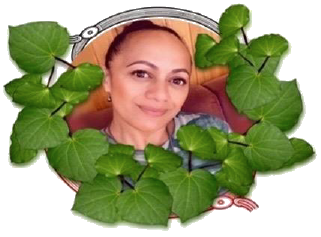
Josephine Rangi
Te Aupōuri, Ngāti Tūwharetoa