Ko te tangata, ko te whenua, ka pahemo,
ko te tangi mau tonu, mau tonu, mau tonu
Kia ora,
Ko Te Anga Nathan tōku ingoa.
He uri ahau nō Te Aupōuri, rātou ko Ngāti Porou ko Waikato, e mihi atu nei.
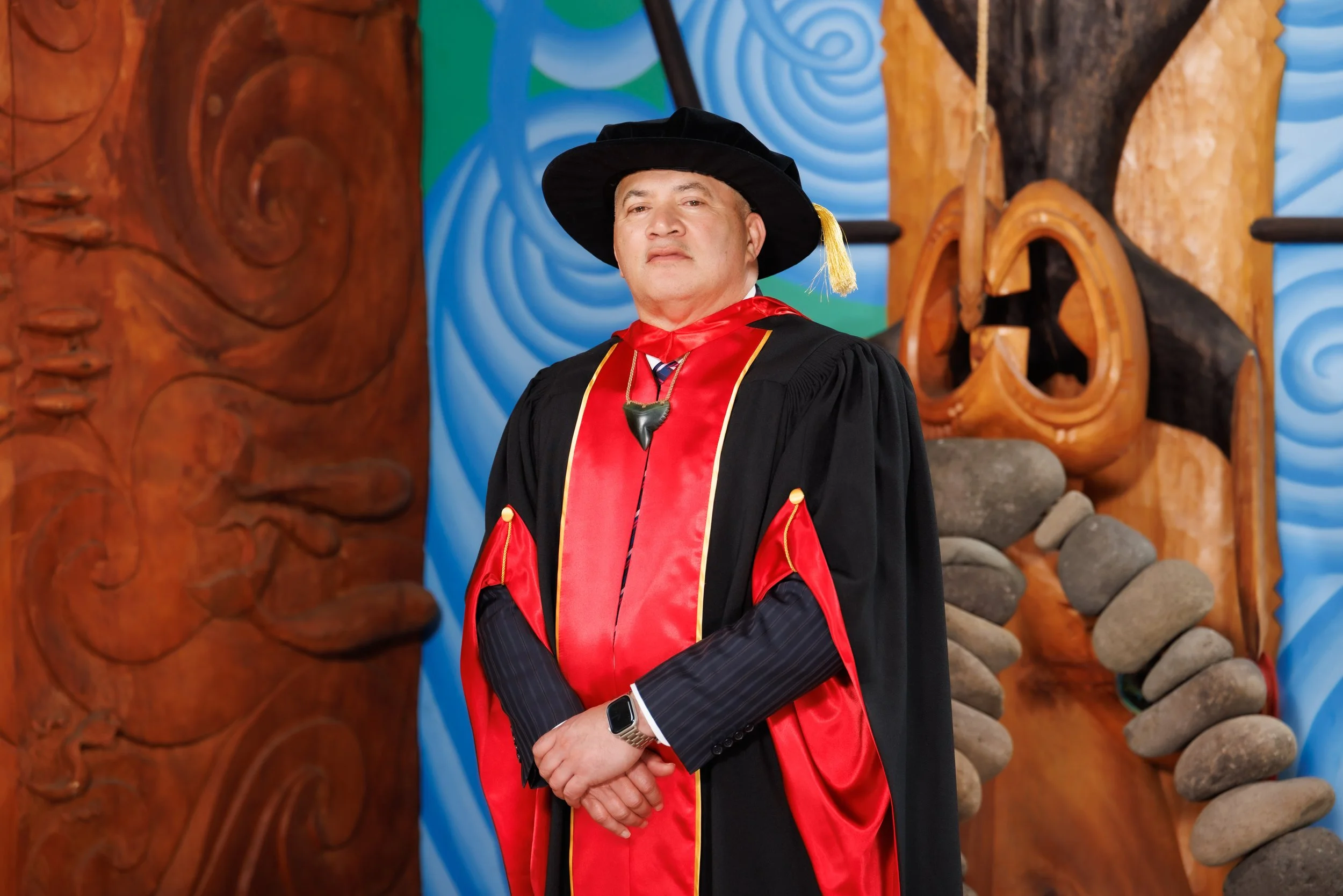
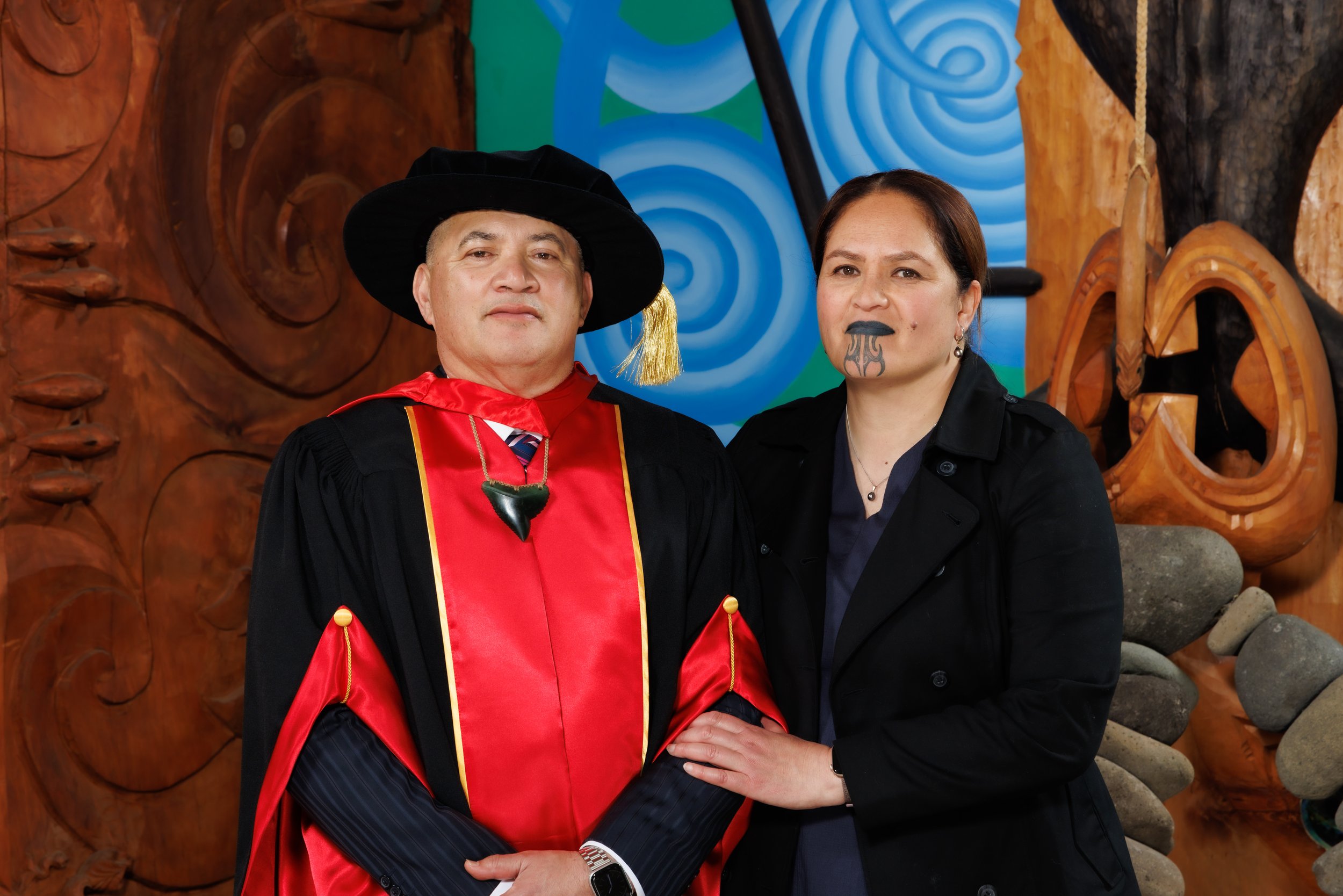
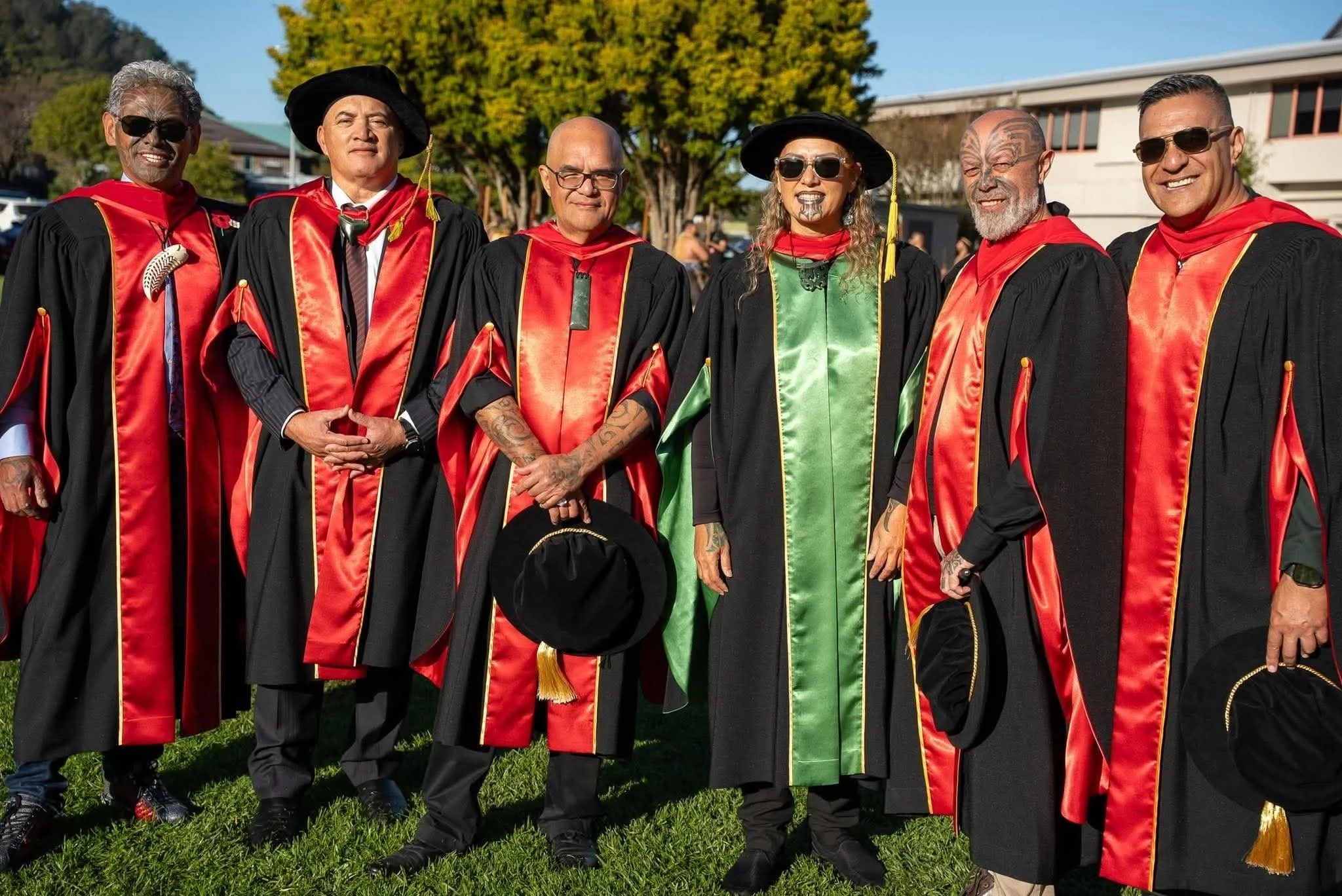
I graduated with my PhD in 2025 at Te Whare Wānanga o Awanuiārangi, an institution built for all iwi, for all people.
My thesis, He Maimai Aroha: Live Streaming Tangihanga During COVID-19, began with a question: How do we refine Māori customs so that people can attend tangihanga virtually?
I surveyed 50 Māori about their experiences of live-streamed tangihanga and interviewed whānau pani and the broadcasters who had to make the hard calls in real time. What I found shaped the Māui Mataora model, a practical guide that puts tikanga and consent at the centre of every live stream.
This research introduces the Māui Mataora model, a systematic guide with five elements and three principles that could help Māori live stream tangihanga virtually and with integrity. It emphasises the importance of respectful negotiation with a hierarchy of consent from whānau pani and kaumātua, as well as balancing the requirements of tikanga and technology. The absence of legislation regulating live streaming in Aotearoa has left tangihanga vulnerable to misuse, highlighting the significance of this study.
I have spent over three decades working at the intersection of Māori communications, media, and storytelling. I am currently Head of Communications for the Waikato River Authority and a board member of Te Mātāwai. Through Te Anga Media, I work with organisations who need to communicate with clarity, care, and cultural integrity.
This site is something different. It is my grain of sand on the beach of life, like the tōtara hāemata Tā Hirini Moko Mead shared his mātauranga with many for future generations.
Tikanga Māori is a dynamic concept that adjusts and accommodates to the “rhythm of life” and the passage of generations (Mead, 2016, p. 4), much like the evolving practice of live streaming tangihanga.
I could not have done this without the guidance of my supervisors Dr Reuben Collier and Professor Alison Green and Dr Shonelle Wana as well as my cohort - Ngāti Toitū, Dr Thomas Clark, Dr Turumakina Duley and Dr Julian Wilcox.
Nā Dr Te Anga Nathan
Te Whare Wānanga o Awanuiārangi, 2026